Prathiksha Kitchen Equipments Professional-Grade Equipment for Serious Kitchens

Prathiksha Kitchen Equipments

Professional-Grade Equipment for Serious Kitchens

Latest Articles

After the Last Ticket: Why Closing Time Is the Truest Equipment Inspection You'll Ever Get
Kitchen Planning & Design

After the Last Ticket: Why Closing Time Is the Truest Equipment Inspection You'll Ever Get

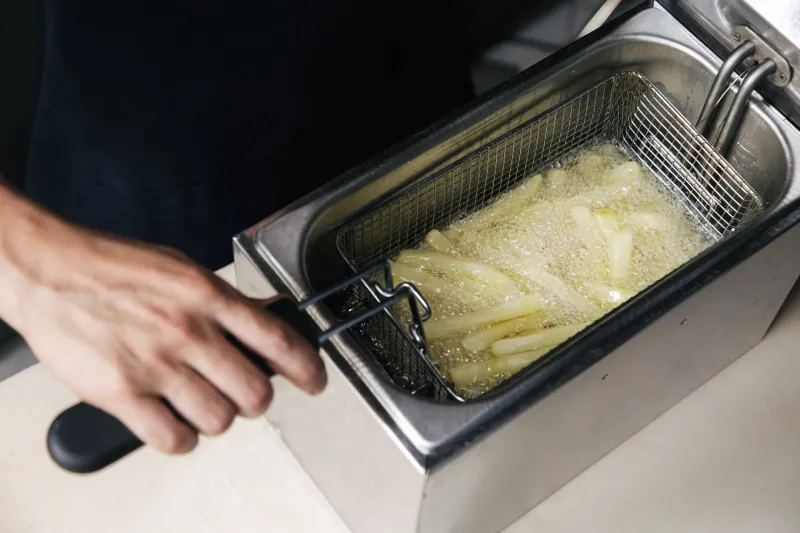
The fryer that limps through a Friday rush tells you more about your kitchen than any spec sheet ever will. This guide walks operators through a late-night stress audit that separates genuinely commercial-grade equipment from consumer-grade pretenders.

Built for a Day That Never Happens: The Case for Retooling Your Kitchen Twice a Year
Kitchen Planning & Design

Built for a Day That Never Happens: The Case for Retooling Your Kitchen Twice a Year

Most kitchens are equipped for an average day that exists on no calendar. This opinion piece argues for semiannual equipment reviews, modular add-ons, and rental bridges instead of permanent capital sized to peak demand.

Reading the Meter: How Your Equipment List Writes Your Utility Bill
Business & Finance

Reading the Meter: How Your Equipment List Writes Your Utility Bill

Energy Star ratings, standby draw, and insulation quality aren't catalog fine print—they're line items on your monthly P&L. A worked breakdown of gas versus electric loads shows when paying more upfront for efficient equipment genuinely pays back.

The Mobile Kitchen Gap: Five Workhorses Catering Operators Always Wish They'd Bought Sooner
Kitchen Planning & Design

The Mobile Kitchen Gap: Five Workhorses Catering Operators Always Wish They'd Bought Sooner

Ask any seasoned caterer about their first year and you will hear the same regrets. These five overlooked pieces of equipment consistently separate profitable mobile operations from the ones that stall out.

The Lineup Is Obsolete: Why 2026's Dining Habits Are Breaking the Traditional Restaurant Line
Business & Finance

The Lineup Is Obsolete: Why 2026's Dining Habits Are Breaking the Traditional Restaurant Line

Value-driven menus, shrunken dinner parties, and relentless delivery volume have quietly changed what a restaurant line needs to do. Clinging to the legacy configuration is now a financial decision, and often the wrong one.

Three Ovens, One Kitchen, Ninety Days: What a Quarter of Side-by-Side Testing Taught Us About Buying Cheap
Kitchen Planning & Design

Three Ovens, One Kitchen, Ninety Days: What a Quarter of Side-by-Side Testing Taught Us About Buying Cheap

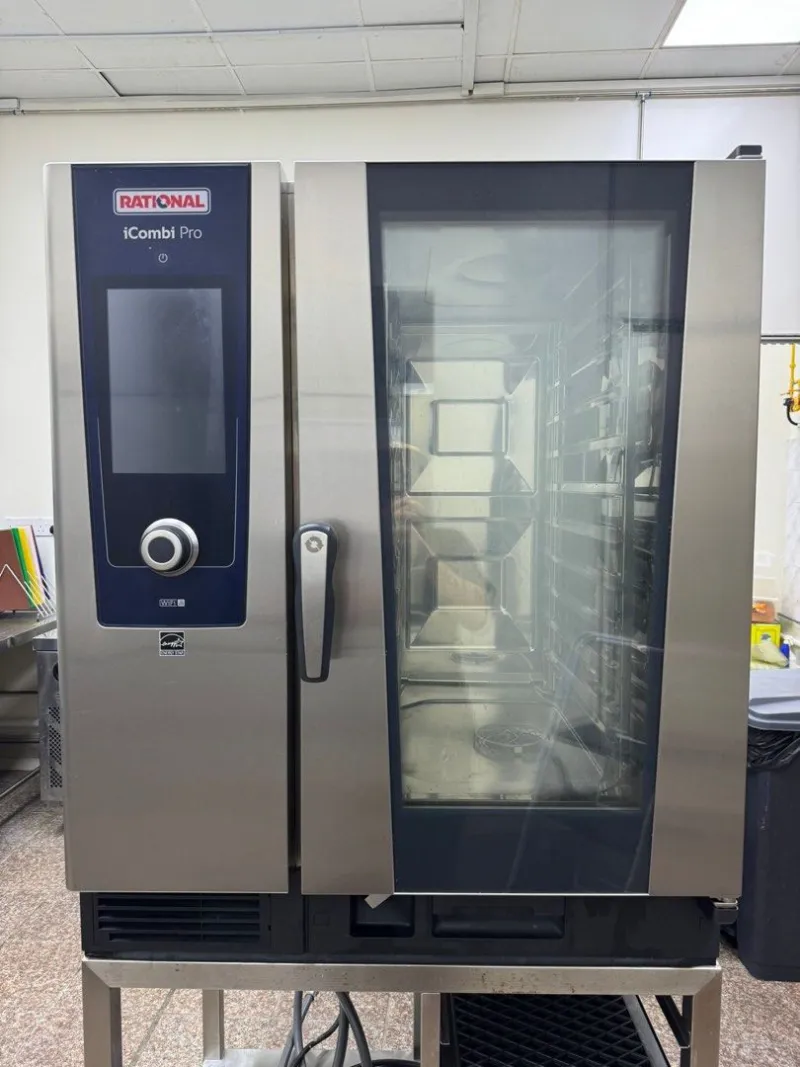
We tracked a full combi oven experiment across three price tiers, logging service calls, energy draw, and output consistency for an entire quarter. The results complicate the usual buy-cheap-versus-buy-once argument in ways every operator should see before signing a purchase order.

The Cooking Line Verdict: Why the Fuel Source Debate Deserves More Nuance Than Most Operators Give It
Kitchen Planning & Design

The Cooking Line Verdict: Why the Fuel Source Debate Deserves More Nuance Than Most Operators Give It

Gas, electric, or induction — the choice shapes your ventilation budget, your utility bills, and your kitchen's very architecture. Here is a clear-eyed framework for making the call, along with the verdict we give most American operators.

From Empty Floor to First Service: A Capital-Conscious Equipment Roadmap for New Restaurant Owners
Business & Finance

From Empty Floor to First Service: A Capital-Conscious Equipment Roadmap for New Restaurant Owners

Outfitting your first commercial kitchen doesn't have to mean draining your entire seed fund before the doors even open. This roadmap breaks equipment spending into priority tiers and phased purchases designed to carry a new restaurant through its most fragile year.

Seven Machines That Decide Whether Your Brunch Rush Sings or Stalls
Kitchen Planning & Design

Seven Machines That Decide Whether Your Brunch Rush Sings or Stalls

Weekend brunch is a beautiful business — right up until the ticket rail backs up and the waffle station falls behind. These are the seven pieces of equipment that separate brunch spots that cruise through the rush from the ones that drown in it.

Small Footprint, Full Menu: Equipment Tactics for Compact Commercial Kitchens
Kitchen Planning & Design

Small Footprint, Full Menu: Equipment Tactics for Compact Commercial Kitchens

Urban rents keep climbing while menus keep growing, forcing operators to do more with dramatically less space. This guide breaks down the compact, high-output equipment choices and layout disciplines that let tight-footprint kitchens perform like kitchens twice their size.

Capital or Cash Flow: Reframing the Lease-versus-Purchase Equation for Restaurant Operators
Business & Finance

Capital or Cash Flow: Reframing the Lease-versus-Purchase Equation for Restaurant Operators

Most operators compare monthly payments to purchase prices and call it analysis. A closer look at depreciation schedules, tax treatment, and stage-of-business realities reveals why the right answer changes as your restaurant matures.

Secondhand Steel, Firsthand Risk: A Restaurant Owner's Guide to Navigating the Used Equipment Market
Business & Finance

Secondhand Steel, Firsthand Risk: A Restaurant Owner's Guide to Navigating the Used Equipment Market

The used equipment market offers genuine savings for cash-conscious operators—but not every bargain deserves a place in your kitchen. This guide examines where secondhand purchases pay off, where they backfire, and the due-diligence steps that separate smart buyers from expensive cautionary tales.

Before You Sign: The Case for Testing Commercial Kitchen Equipment Under Fire
Kitchen Planning & Design

Before You Sign: The Case for Testing Commercial Kitchen Equipment Under Fire

Spec sheets tell you what a machine can do in a showroom. A trial tells you what it will do at 7 p.m. on a packed Saturday. Here is how serious operators structure equipment demonstrations and in-house trials before committing capital.

Shelf Queens and Silent Losses: How to Stop Buying Commercial Kitchen Equipment You'll Never Use
Business & Finance

Shelf Queens and Silent Losses: How to Stop Buying Commercial Kitchen Equipment You'll Never Use

Many restaurant operators discover, often too late, that a significant portion of their equipment investment sits idle while occupying valuable floor space and tying up capital. Understanding the behavioral and operational patterns that drive these purchases is the first step toward building a leaner, more profitable kitchen. This article outlines a practical framework for auditing underutilized assets and establishing a procurement discipline that eliminates costly redundancy.

Demand Cycles and Dead Zones: Building an Equipment Strategy That Performs When It Matters Most
Business & Finance

Demand Cycles and Dead Zones: Building an Equipment Strategy That Performs When It Matters Most

Seasonal surges expose the equipment gaps that operators overlook during slower periods, turning predictable revenue opportunities into operational bottlenecks. A disciplined approach to capacity planning—one that accounts for holiday rushes, summer dining peaks, and catering season—can mean the difference between capturing demand and turning customers away. This article examines how forward-thinking operators align their equipment roadmap with known demand cycles to protect margins and maximize

More Than a Catalog: How the Right Equipment Supplier Becomes Your Kitchen's Most Valuable Partner
Business & Finance

More Than a Catalog: How the Right Equipment Supplier Becomes Your Kitchen's Most Valuable Partner

Restaurants that treat equipment suppliers as interchangeable vendors often discover the true cost of that assumption during a critical breakdown at the worst possible moment. The depth of your vendor relationship—its responsiveness, technical expertise, and parts infrastructure—can determine whether a failure becomes a manageable inconvenience or a revenue-destroying crisis. This article examines what separates a transactional supplier from a genuine operational partner.

Specification Compliance: Why Your Equipment Choices Are Also Legal Decisions
Kitchen Planning & Design

Specification Compliance: Why Your Equipment Choices Are Also Legal Decisions

Selecting commercial kitchen equipment without accounting for local permitting requirements is one of the most expensive mistakes a restaurant operator can make. From health code alignment to ADA obligations and building permit thresholds, every major equipment decision carries regulatory weight. Understanding the compliance landscape before you finalize your purchases is not merely prudent—it is essential to opening on time and operating without costly interruptions.

The Broken Gear Trap: How Malfunctioning Equipment Quietly Bleeds Your Restaurant Dry
Business & Finance

The Broken Gear Trap: How Malfunctioning Equipment Quietly Bleeds Your Restaurant Dry

Across the restaurant industry, operators routinely tolerate broken or degraded equipment far longer than sound financial logic would ever justify. The reasons are understandable—capital pressure, fear of downtime, and murky ROI calculations—but the consequences compound silently until they become impossible to ignore. This article examines the psychology and economics of equipment procrastination and provides a practical framework for calculating what that broken gear is truly costing your oper

The Hidden Insurance Crisis on Your Kitchen Floor: How Equipment Design Drives Workers' Comp Costs Sky-High
Business & Finance

The Hidden Insurance Crisis on Your Kitchen Floor: How Equipment Design Drives Workers' Comp Costs Sky-High

Poorly engineered commercial kitchen equipment is quietly inflating workers' compensation premiums and liability exposure across the restaurant industry. From awkward grip placements to missing safety guards, design flaws translate directly into injuries, absences, and skyrocketing insurance costs. Understanding this connection is the first step toward treating ergonomic equipment investment as a core financial strategy.

Dead Weight in the Kitchen: How Deferred Equipment Decisions Quietly Drain Restaurant Productivity
Business & Finance

Dead Weight in the Kitchen: How Deferred Equipment Decisions Quietly Drain Restaurant Productivity

That corner of your kitchen stacked with broken fryers, malfunctioning prep tables, and shelving units awaiting 'eventual' repair is not a sign of fiscal prudence—it is a silent tax on your operation. Deferred equipment decisions create compounding inefficiencies that inflate labor costs, frustrate staff, and shrink the productive footprint of your kitchen. This article offers a clear-eyed framework for making repair-versus-replace calls that restore order, reclaim space, and protect your bottom