Seven Machines That Decide Whether Your Brunch Rush Sings or Stalls

Photo: Internet Archive Book Images, Public domain, via Wikimedia Commons
Brunch is the most deceptively brutal service in American restaurants. Two days a week, you face a compressed, unforgiving rush where every ticket seems to want eggs, pancakes, toast, and espresso simultaneously. Consumer-grade gear that survives a quiet Tuesday will collapse by 11:30 a.m. on Sunday. Here are the seven machines that carry a high-volume brunch operation — and how to tell the real ones from the look-alikes.
1. The Flat-Top Griddle: Your Engine Room
Nothing on a brunch menu happens without griddle real estate. Pancakes, eggs, French toast, hash — it all competes for the same steel. Pro-grade flat-tops feature thick plates (3/4-inch or more) that recover temperature instantly when a cold batter hits the surface. Consumer griddles drop 50 degrees at the first pancake and never fully recover. Size for your peak, not your average: a busy spot wants 36 to 48 inches of griddle, minimum.
2. A High-Capacity Waffle Iron That Doesn't Flinch
The humble waffle iron becomes a bottleneck fast. Commercial units are built with cast-aluminum or cast-iron plates, heating elements rated for continuous duty, and thermostats that hold temperature through hundreds of cycles. Consumer models use thin plates and light-duty elements that slow down dramatically as service wears on. Throughput tip: a rotating commercial iron flips waffles in three to four minutes and frees your cook for other tickets.
3. An Espresso Setup With Recovery in Mind
Weekend brunch runs on espresso drinks, and a prosumer machine will overheat and deliver inconsistent shots by the third hour. Commercial espresso machines — particularly dual-boiler or heat-exchanger models — maintain steam pressure and brew temperature independently under sustained load. Pair with a commercial-grade grinder; it is the most overlooked bottleneck in the entire café line.
4. A Toaster (Yes, Really) Built for Volume
Conveyor toasters move hundreds of slices an hour and toast both sides evenly without babysitting. A pop-up consumer unit handling artisan sourdough at brunch volume is a genuine service killer. Throughput tip: position the toaster station where it does not cross paths with the plating line.
5. Reach-In Refrigeration Within Arm's Reach
Brunch prep is cold-heavy — eggs, creams, cut fruit, butter. Under-counter and reach-in units placed at the point of use eliminate the constant walk to the walk-in during the rush. Look for units with forced-air cooling that recover quickly after door openings, because those doors will be opened constantly.
6. A Fryer for the Hash Browns and Chicken Biscuits
Savvy brunch menus have discovered the fryer, and guests have noticed. A countertop commercial fryer with rapid recovery handles fried chicken, home fries, and beignets without tanking your oil temperature. Filtration matters at this volume — built-in systems save labor and extend oil life.
7. High-Volume Egg Equipment: The Silent Differentiator
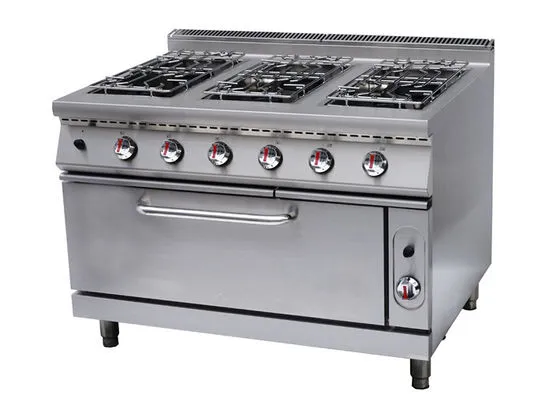
Whether it is an egg ring station, a batch cooker, or simply enough burner capacity for multiple sauté pans, eggs are the single biggest ticket-time driver at brunch. Plan your line so egg work never shares a burner with sauce or sauté work.
The Common Thread
Every item on this list shares one trait: recovery. Consumer equipment is designed for a family of four; brunch volume is a marathon at sprint pace. Buy machines rated for continuous commercial duty, size them for your Sunday peak, and your two-day-a-week goldmine will run like clockwork instead of chaos.