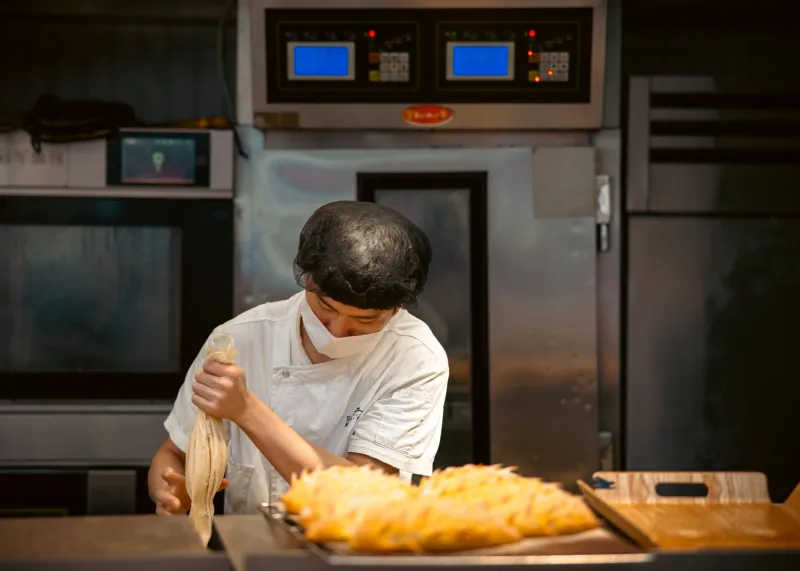
The Cooking Line Verdict: Why the Fuel Source Debate Deserves More Nuance Than Most Operators Give It
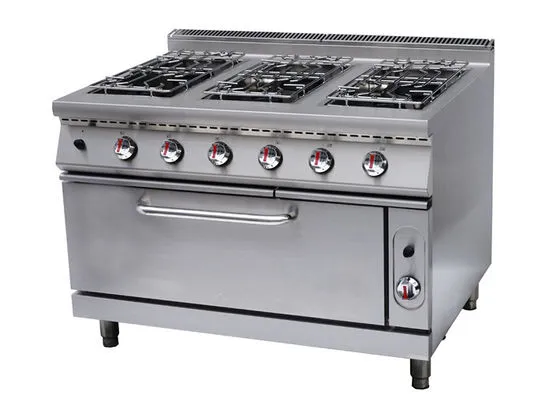
Photo: commercial kitchen gas range burners professional cooking line, via www.commercial-foodequipment.com
Ask five chefs about the ideal cooking fuel and you will get six opinions. But for restaurant operators, this is not a philosophical debate — it is a capital decision with consequences for your ventilation system, your utility infrastructure, your local code compliance, and your monthly operating costs for the next decade.
After years of specifying kitchen lines for operations across the country, we have developed a position. It is more nuanced than 'gas is king,' and far more practical than the induction hype cycles that sweep through the industry every few years.
What Each Fuel Actually Delivers
Gas remains the default for a reason. It is forgiving, instantly responsive, and works during power outages. Line cooks can visually read flame intensity, and nearly every culinary school graduate is trained on it. The costs are equally familiar: higher ventilation requirements, lower energy efficiency (much of the heat goes into the room, not the pan), and rising scrutiny in jurisdictions like New York City and California, where natural gas restrictions on new commercial construction are no longer hypothetical.
Traditional electric is the value play. Lower equipment cost, simpler installation, and no combustion ventilation in many cases. Its weakness — slow, imprecise heat adjustment — is a genuine constraint on high-turnover cooking lines.
Induction is where the efficiency numbers get almost uncomfortable. Roughly 85 to 90 percent of the energy reaches the food, versus perhaps 40 percent for gas. Kitchens stay dramatically cooler, which reduces HVAC load and improves working conditions. The catch: you need compatible cookware, staff retraining, and reliable electrical service capacity that older buildings often lack.
The Hidden Variables Most Operators Miss
Your fuel decision is really a ventilation decision. A gas range typically demands a full hood and make-up air system — a capital expense that can exceed the cost of the range itself. An induction line may qualify for reduced or eliminated hood requirements under many mechanical codes, though you should always confirm with your local authority having jurisdiction before committing.
Utility infrastructure matters too. Retrofitting a building with insufficient gas service or inadequate amperage can turn a straightforward equipment purchase into a five-figure electrical or plumbing project.
Our Verdict, With a Framework Attached
If we are being direct: for most American full-service restaurants cooking a broad, high-heat menu, gas remains the right call. The workforce familiarity, the tolerance for abuse, and the flexibility across cooking techniques are real advantages that efficiency spreadsheets do not capture.
But the exceptions are growing. If you are opening in a jurisdiction with gas restrictions or electrification incentives, if your building lacks gas service, if your menu leans toward simmering, holding, and precision work, or if kitchen heat and staff comfort are chronic problems, induction deserves serious consideration — and increasingly, it wins.
Run your own numbers before signing anything: total installed cost including ventilation, projected energy spend at your volumes, local code trajectory, and the honest training capacity of your team. The right answer is the one your menu, your building, and your balance sheet agree on — not the one tradition or trendiness dictates.