From Empty Floor to First Service: A Capital-Conscious Equipment Roadmap for New Restaurant Owners
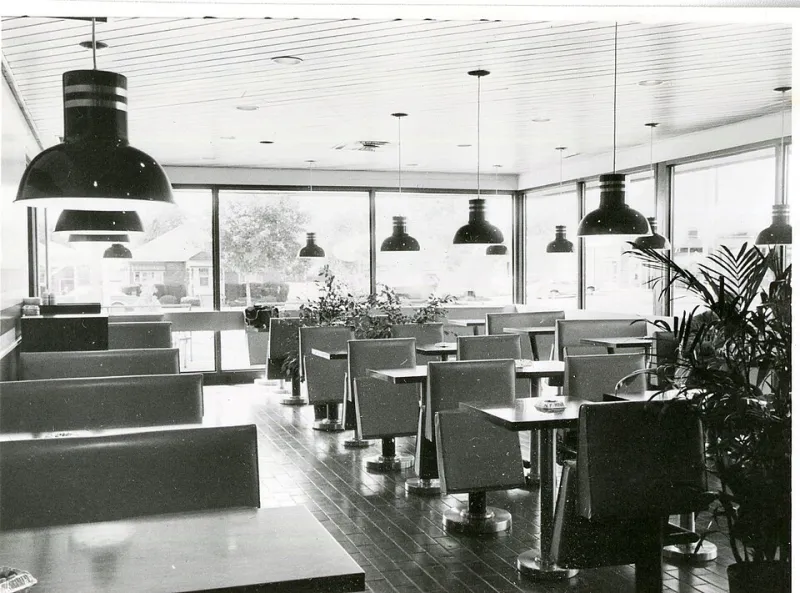
Photo: Community Archives, CC0, via Wikimedia Commons
Every first-time restaurant operator eventually confronts the same sobering moment: standing on an empty concrete floor, holding a contractor's bid and an equipment catalog, realizing that the dream concept in your head now has a six-figure price tag attached to the hardware.
The good news is that a successful opening does not require a fully loaded kitchen on day one. It requires a deliberate sequence of decisions that protects your working capital while never compromising the equipment that actually produces your food.
Start With the Menu, Not the Catalog
The single most common capital mistake we see from new owners is buying equipment for the restaurant they hope to become rather than the one they are opening. A concept built on a tight, nine-item menu does not need a combi oven, a blast chiller, and a deck oven in week one.
Map every dish on your opening menu to a piece of equipment. Anything without a direct menu justification gets deferred. This exercise alone routinely eliminates 20 to 30 percent of a typical first-year equipment budget.
The Three-Tier Priority System
Think of your equipment purchases in three distinct tiers.
Tier One: Revenue-Critical. These are the machines that produce your core menu items. If your concept lives or dies on burgers, the charbroiler and the refrigeration holding it are non-negotiable purchases at the highest quality you can afford. Failures here close your restaurant.
Tier Two: Compliance and Capacity. Walk-in coolers, dish machines, hand sinks, and fire suppression fall into this tier. They may not be glamorous, but health department approval and your ability to handle a Saturday rush depend on them. Buy for your projected peak volume, not your average day.
Tier Three: Convenience and Expansion. Specialty tools, secondary prep equipment, and anything that makes life easier without directly driving revenue. This is where phased buying lives.
Where to Splurge and Where to Hold Back
Splurge on refrigeration. A compressor failure at 2 a.m. can cost you an entire walk-in of product plus a day of sales, and cheap units fail precisely when they are working hardest. Similarly, never economize on your cooking line's core pieces — ranges, fryers, and flat-tops take a beating in year one.
Hold back on prep equipment. A dependable food processor or mixer can be sourced refurbished or bought mid-range without meaningful risk. The same goes for smallwares and holding equipment, where pro-grade features deliver diminishing returns for a startup menu.
The Phased Purchase Strategy
Structure your buying calendar around your actual sales trajectory.
Pre-opening: Tier One and Tier Two equipment only, purchased new with solid warranties, installed and inspected well before your first health inspection.
Months one through six: Resist the urge to buy. Track your ticket times and bottlenecks instead. Let real operational data — not anticipation — tell you what the kitchen actually needs next.
Months six through eighteen: Reinvest a fixed percentage of revenue into Tier Three purchases and capacity upgrades. By this point you will know your peak volumes, your menu's best sellers, and exactly which piece of equipment will return its cost fastest.
Financing Without Jeopardizing the Dream
Preserve your credit line for emergencies, not equipment. Equipment financing and leasing structures exist precisely so a new operator does not have to liquidate working capital for a fryer. Many suppliers, ourselves included, work with first-time owners to structure payments that align with realistic ramp-up revenue curves.
The restaurants that survive their first year are rarely the ones with the most impressive equipment lists on opening day. They are the ones that bought what mattered, deferred what didn't, and kept enough cash on hand to weather the surprises no playbook can predict. Equip deliberately, and the floor that looks empty today becomes the kitchen that carries you for the next decade.