Three Ovens, One Kitchen, Ninety Days: What a Quarter of Side-by-Side Testing Taught Us About Buying Cheap
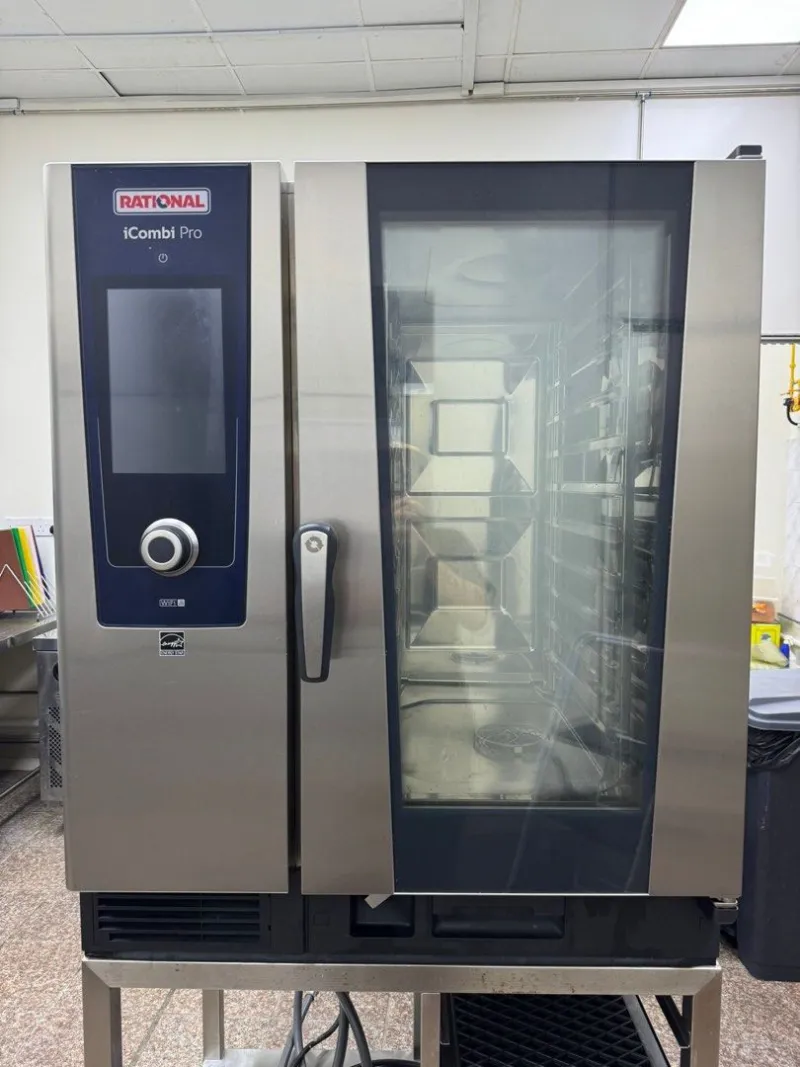
Photo: commercial combi oven professional restaurant kitchen stainless steel, via media.karousell.com
Every operator has heard the advice: buy the best equipment you can afford, or pay for it later. Few ever get the chance to test that advice with real data. When a mid-size independent restaurant in the Midwest agreed to run three combi ovens—one used, one mid-tier, one premium—through a full quarter of dinner service, the resulting logbook became one of the more instructive documents we have encountered.
The Setup
The restaurant, a 140-seat American bistro with a steady banquet side business, installed a refurbished ten-pan combi purchased secondhand, a new mid-range domestic-brand unit, and a flagship European model in the same kitchen line. Each oven handled comparable menu items—roasted proteins, steamed vegetables, proofed breads—and staff logged runtime, faults, and energy readings weekly.
Where the Cheap Unit Actually Held Up
The used oven surprised everyone for the first six weeks. Its steam generation was slower, but for roasting, the gap barely registered. Line cooks preferred its simpler controls during the rush. The lesson: for low-precision applications, a well-maintained used unit can genuinely compete.
The problems surfaced elsewhere. Door gaskets degraded, a boiler scale issue required two service calls, and the absence of programmable recipes meant every roast depended on the cook's attention rather than a stored profile.
The Mid-Tier Surprise
The mid-range unit posted the best overall value metrics. It matched the premium oven on consistency for most items, consumed only marginally more energy, and came with a three-year parts warranty that covered one control board replacement at no cost. For operators whose menus don't demand the tightest tolerances, this tier deserves more respect than it typically gets.
Where Premium Earns Its Price
The flagship model separated itself in three areas: recovery speed during volume pushes, recipe programming that reduced training time for new hires, and energy efficiency that showed up measurably on the utility bill—roughly 12% lower draw than the used unit at comparable output. During a 90-cover Saturday push, it was the only oven that never fell behind.
The Verdict
Over ninety days, the used oven's lower purchase price was eroded by service calls and labor inefficiency, while the premium unit's premium was partially offset by energy and consistency gains. The mid-tier unit quietly won on total cost of ownership for this particular operation.
The practical takeaway is not that one tier is universally right. It is that the answer depends on your menu precision requirements, your service volume, and your tolerance for downtime. Before you buy, define what the oven actually does in your kitchen—and test accordingly.