The Mobile Kitchen Gap: Five Workhorses Catering Operators Always Wish They'd Bought Sooner
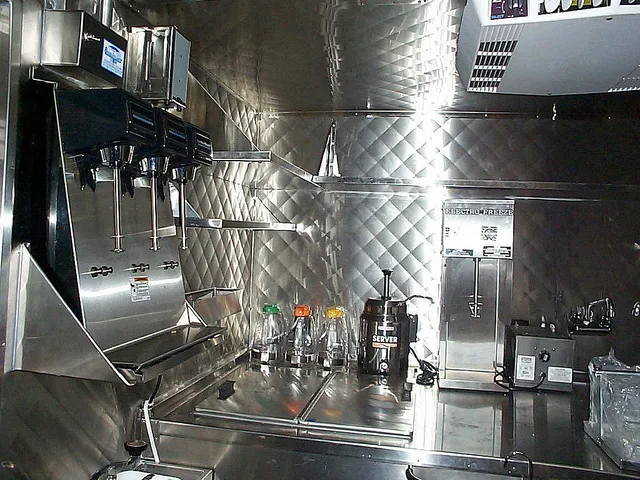
Photo: Yanks9596, CC BY-SA 3.0, via Wikimedia Commons
Mobile food operations live or die by what fits in the truck. Most first-time caterers over-invest in the cooking surface and under-invest in everything else. Here are the five pieces veterans consistently say they should have bought from day one.
1. The Compact Blast Chiller
Cooling food safely on a truck is the hardest compliance challenge in mobile service. A compact blast chiller takes cooked product from 135°F to below 41°F in hours instead of the overnight cooler gamble. Use cases: batch-prepped proteins, soups, and banquet components chilled on site. Expect $4,000–$8,000 for a genuinely undercounter-capable unit. Operators who skip it report wasted batches and genuine food safety anxiety.
2. Generator-Safe Warming Drawers
Not all warming equipment plays nicely with generator power. Drawers engineered for low, stable draw keep finished items at holding temperature without browning the generator's load capacity. Budget $1,500–$3,500. The common regret: buying a standard holding cabinet that tripped breakers mid-event.
3. Fold-Flat Prep Stations
Square footage in a truck is currency. A fold-flat stainless prep station gives you a full cutting and assembly surface during service and disappears when it doesn't. At $400–$1,200, this is the cheapest productivity gain on the list—and the one most operators improvise badly before buying properly.
4. A True Undercounter Refrigerator, Not a Cooler
Ice chests are a holding pattern, not a solution. Health departments increasingly expect mechanical cold holding, and product consistency demands it. A generator-compatible undercounter unit runs $2,000–$4,000 and eliminates the daily ice run that quietly eats labor hours.
5. A High-Capacity Portable Handwash Setup
It is unglamorous, but it is the difference between passing and failing an inspection at an off-site event. Self-contained hot-water handwash stations run $300–$900 and signal professionalism to every inspector and client who sees them.
The Pattern
Notice what these five have in common: none of them cook anything. They handle safety, holding, and prep—the unglamorous functions where mobile operations actually lose money. Build your truck around them, and the cooking equipment you already own will finally get to perform.