Built for a Day That Never Happens: The Case for Retooling Your Kitchen Twice a Year

Photo by Photo by Rohan G on Unsplash on Unsplash
Here is an uncomfortable arithmetic problem that most restaurant owners never work: your kitchen is equipped for your busiest plausible day, but it operates at that intensity perhaps twenty days a year. The other 340 days, a meaningful share of your steel sits idle, depreciating, taking up floor space, and—in the case of refrigeration and holding equipment—drawing power whether it earns its keep or not.
We'd argue this is the most quietly accepted form of capital inefficiency in the industry. And the fix isn't more money. It's a calendar.
The Myth of the Average Day
Menu planning and equipment purchasing both tend to be built around a fictional construct: the average day. But restaurant demand in the US is anything but average. A rooftop bar in Austin does triple its January volume in June. A New England seaside spot does a third of its summer business after Columbus Day. A bakery-café in any suburb sees its production double in the six weeks between Thanksgiving and New Year's.
When you size your permanent equipment for the peak, you're financing capacity that idles most of the year. When you size for the average, you're underwater exactly when it matters most. Both approaches treat equipment as a fixed decision. It shouldn't be.
Rethink the Kitchen on a Six-Month Clock
Our proposal is simple: every operator should hold a formal equipment review twice a year, timed ahead of their region's high season and again ahead of the slow one. The review asks three questions.
1. What does the next six months actually demand? Not last year's average—the actual forecast. Patio season means volume shifts from sauté pans to the grill and fryer. Holiday season means baking capacity, holding equipment, and refrigeration under strain. Summer means cold prep, ice production, and beverage capacity working overtime.
2. What do we own that won't work hard? Every unit that will sit below 30% utilization for the coming season is a candidate for rotation out—sold, relocated to another concept, or replaced by something better matched.
3. What gaps do we bridge rather than buy? This is where the thinking gets unconventional for many operators.
Rent the Peak, Own the Baseline
The traditional instinct is to buy for the peak. A smarter structure separates your baseline load—the equipment that works hard 52 weeks a year, and which deserves the highest-quality permanent capital you can justify—from your seasonal spike, which can often be served by short-term rentals, leased modular units, or flexible add-ons.
Concrete examples:
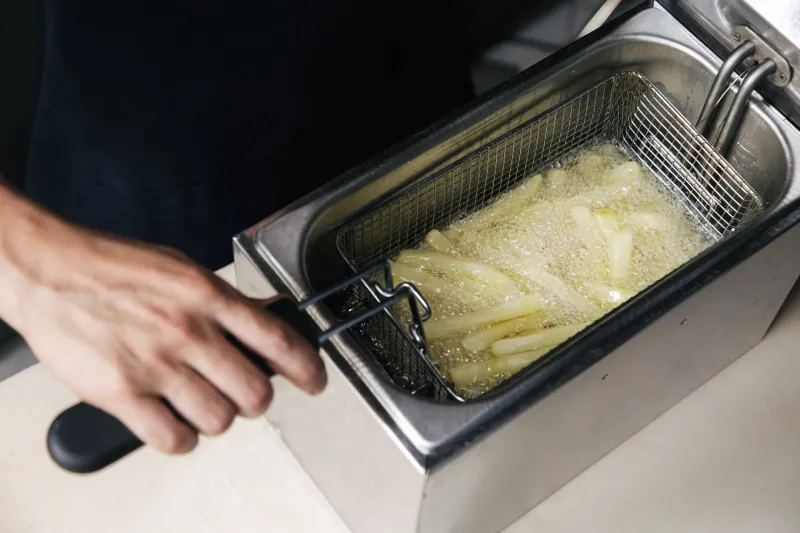
- A mobile outdoor fryer or grill rented for a twelve-week patio season costs a fraction of a permanent purchase and disappears when the weather turns.
- A rented reach-in or blast chiller absorbs the holiday baking surge without permanently occupying floor space you need in February.
- Modular induction ranges added ahead of summer can extend cold-line and catering capacity, then be returned or stored with negligible carrying cost.
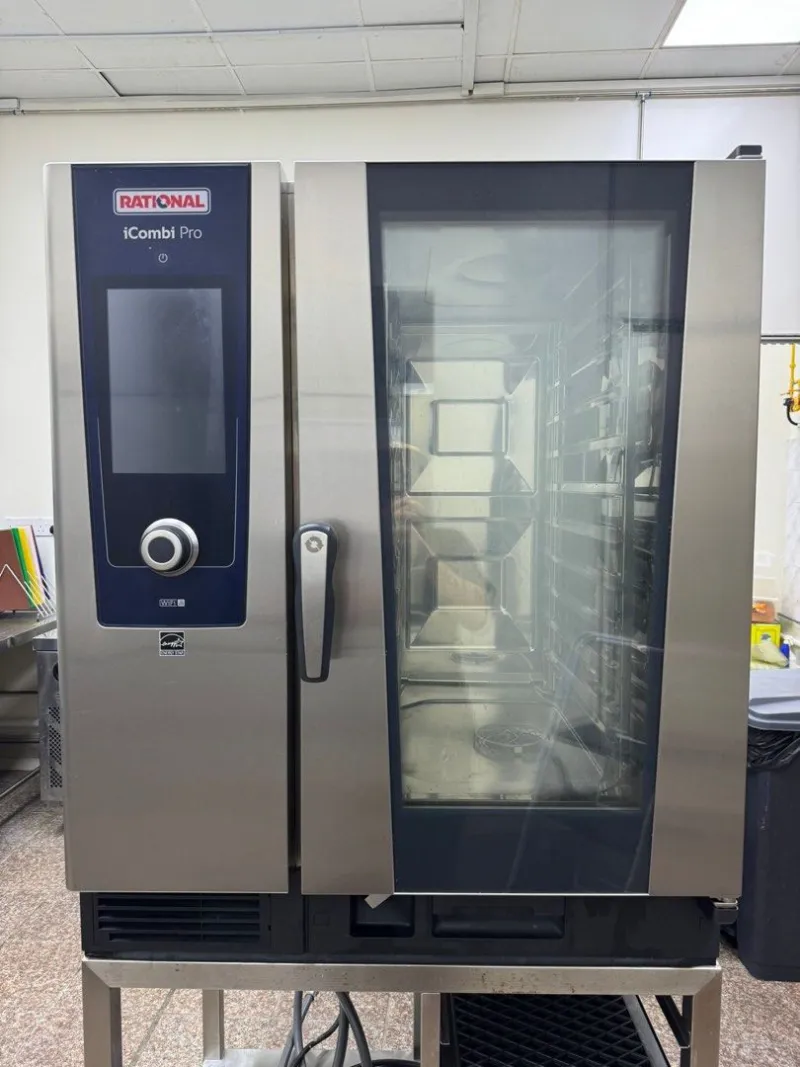
- A leased combi oven through Q4 handles turkey dinners and cookie trays, then converts back to a manageable monthly expense instead of a sunk asset.
Rental rates typically run 3–6% of purchase price per month. If your peak lasts four months a year, renting for those months often beats owning over a ten-year horizon—and it eliminates maintenance, storage, and obsolescence risk entirely.
The Pre-Season Framework
Apply this sequence roughly eight weeks before your high season begins:
- Pull twelve months of sales data and identify your true peak weeks and their menu mix.
- Map the menu to the line. Which stations carry the surge? Which sit dormant?
- Audit your current fleet against that map—flag underutilizers and bottlenecks.
- Decide buy, rent, or rotate for each gap. Buy only what your baseline justifies; rent or borrow the spikes.
- Book rentals early. Seasonal demand for rental equipment is itself seasonal—wait until June to look for a patio fryer and you may find the good units gone.
- Schedule the next review before the slow season, when the mirror-image questions apply.
A Kitchen That Breathes
The best-run kitchens we see aren't the ones with the most equipment. They're the ones whose equipment matches the season they're actually in. A kitchen that breathes with demand—expanding for the rush, contracting for the quiet—converts dead capital into flexibility, floor space, and margin.
Stop equipping for the average day. It doesn't exist.